IndustryEnglish
Why Maritime Trade Matters, and the Role Tugs Play in Moving It
More than 80 per cent of the world’s goods travel by sea. In Latin America, that trade runs through ports, and every port depends on safe, reliable towage.
2min read
Key takeaways
- Shipping carries more than 80 per cent of the world’s merchandise exports and imports (UNCTAD, 2025).
- Seaborne trade volumes are forecast to grow by just 0.5 per cent in 2025, the slowest pace in years.
- Santos, Manzanillo and Cartagena Bay were Latin America’s three busiest container ports in 2024 (ECLAC).
- Towage is part of a port’s capacity: without tugs, large vessels cannot berth or sail safely.
Most of the world’s goods travel by sea
Shipping carries more than 80 per cent of the goods the world exports and imports, according to UNCTAD’s Review of Maritime Transport 2025. Grain, fuel, minerals, cars and the containers that fill supermarket shelves all depend on ships, and on the ports where those ships load and unload.
That share makes maritime trade one of the clearest indicators of how the global economy is doing. In 2025, UNCTAD expects seaborne trade volumes to grow by just 0.5 per cent, the slowest pace in years, as rerouted voyages, tariffs and volatile freight rates add cost and uncertainty to every link of the chain.
Latin America’s economy runs through its ports
For Latin America and the Caribbean, ports are where trade becomes economic activity. ECLAC’s latest port report ranks the region’s busiest container ports by the volume they handled in 2024:
- Santos, Brazil: 5.48 million TEU
- Manzanillo, Mexico: 3.92 million TEU
- Cartagena Bay, Colombia: 3.70 million TEU
- El Callao, Peru: 3.07 million TEU
- Lázaro Cárdenas, Mexico: 2.41 million TEU
The map keeps moving. ECLAC cites projections that cargo at the new port of Chancay, in Peru, could grow from around one million TEU in 2024 to about 3.5 million by 2032, offering a direct connection between South America and Asia.
No port works without towage
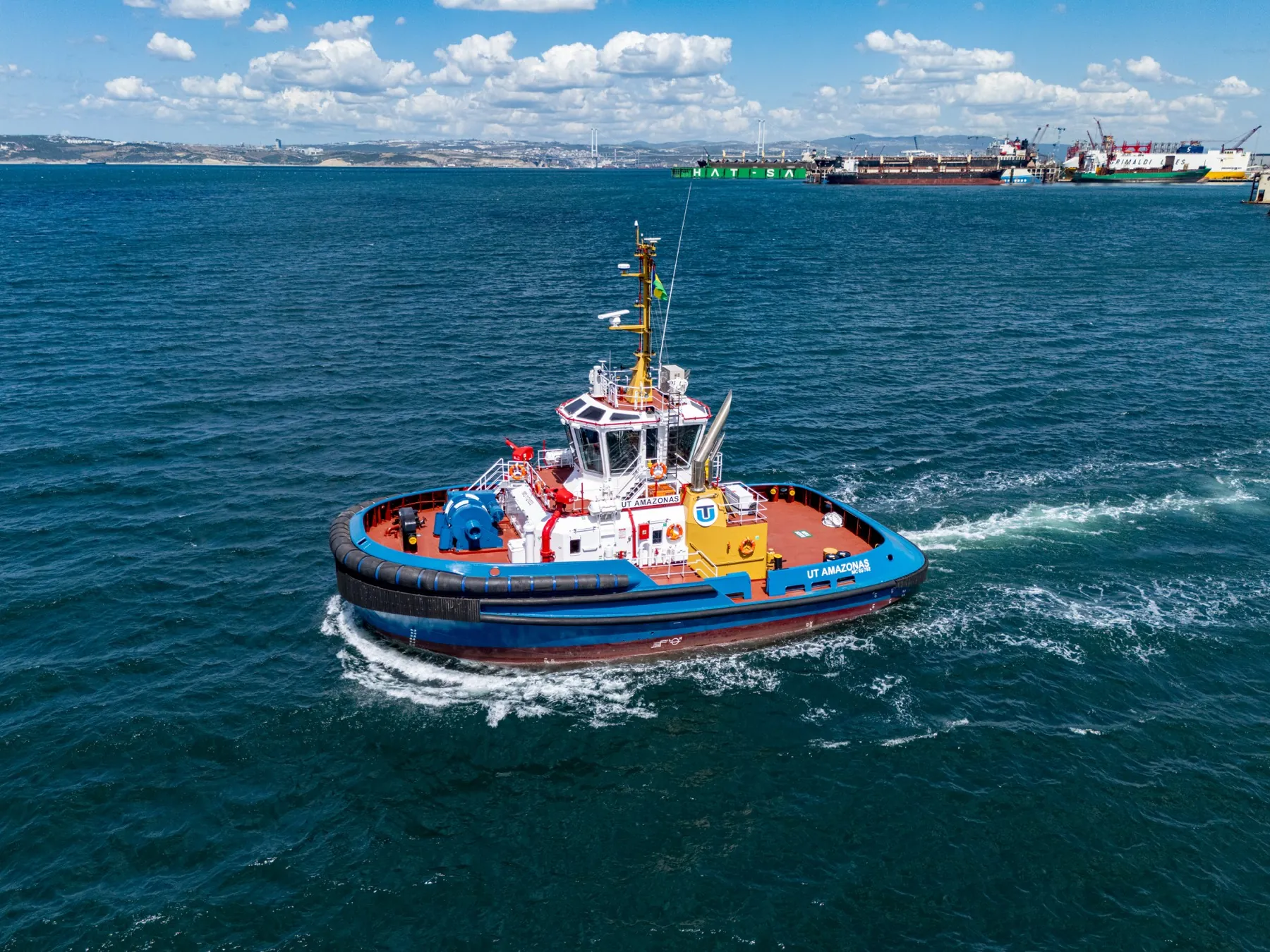
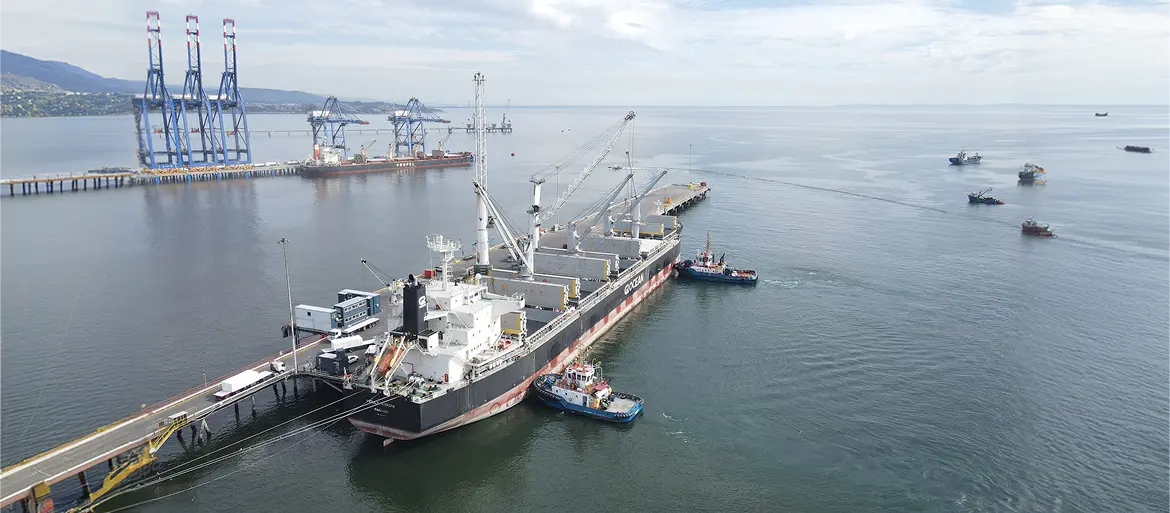
Behind every one of those containers there is a manoeuvre. Large vessels cannot berth, turn or leave a terminal safely on their own power in tight harbour waters. Tugboats push, pull and escort them, often in strong wind, current or swell, and the bigger the ships calling at a port, the more power and precision those manoeuvres require.
That is why towage is part of a port’s capacity, not an add-on. When tugs are available, well maintained and crewed by experienced people, ships keep their schedules and terminals keep their berths moving. When they are not, the whole chain waits.
Ultratug provides harbour towage in Mexico, Colombia, Ecuador, Peru, Chile, Argentina and Uruguay, with a fleet of 69 tugboats, 96 per cent of them ASD (azimuth stern drive) tugs built for manoeuvrability. Several of the ports in ECLAC’s ranking, including Cartagena, El Callao, Lázaro Cárdenas, Buenaventura and Guayaquil, are places where Ultratug crews work every day.
What it means for the region
When global growth slows, efficiency matters more. Ports compete to attract shipping lines and cargo, and every hour a vessel spends waiting adds cost for exporters and importers alike. Reliable, safe towage is one of the conditions that lets a port turn its infrastructure into real throughput.
Maritime trade is the backbone of global commerce, and in Latin America it moves through a network of ports that keeps growing and changing. Making sure every ship can berth safely, on time, is how that trade keeps flowing.
Sources: UNCTAD, Review of Maritime Transport 2025, as reported by UN News (24 September 2025); ECLAC, FAL Bulletin 414, “Informe portuario 2024-2025” (2026).
Frequently asked questions
Why is maritime trade important?
Because most of the world’s goods travel by sea. UNCTAD estimates that shipping carries more than 80 per cent of global merchandise exports and imports, so ports and ships are essential to supply chains and economic growth.
Which are the busiest container ports in Latin America?
According to ECLAC’s port report, the busiest in 2024 were Santos (Brazil), Manzanillo (Mexico), Cartagena Bay (Colombia), El Callao (Peru) and the MIT terminal in Panama.
What does a tugboat do in a port?
Tugboats assist large vessels when they berth, unberth, turn or move through narrow channels, pushing, pulling or escorting them so they can manoeuvre safely.
Explore this story with AI
Open a ready-made prompt that summarises this article and explains what it means for port operations.